Article Statistics
How to Feed honey bees during winter
Honey bees should ideally not need to be fed during the winter. However, there are instances when nature works against us, sending our colonies into winter without adequate honey. The amount they require varies according on the bee species, winter cluster size, and local climatic conditions.
Table of Contents
[ Hide ]Bees can go hungry because they can’t access the honey, even when there is enough of it in the hive. With full frames of honey on both sides, I’ve seen clusters starve. I have also witnessed them thrive the following spring after surviving for many months on nothing but sugar cakes.
Many colonies survive a long, difficult winter only to perish in the early spring. A colony can unwind and stop worrying about spring if it survives the coldest portion of winter. After all, if they survived the toughest season of the year, they can undoubtedly survive spring.
However, honey bees frequently deplete their reserves during the coldest months before starving to death as the weather warms. Because it can occur before the nectar starts to flow, warmth can be deceptive.
During that “in-between” season, feeding must be carefully monitored. Here are some advice for feeding honey bees over the winter.
What not to give to honey bees hibernating
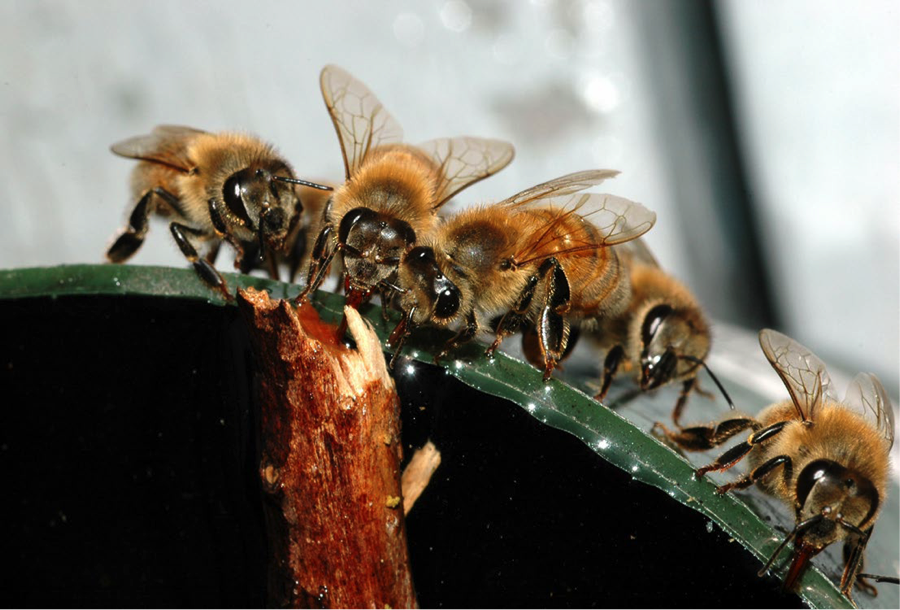
- Never give honey from an unknown source to bees. The spores of illnesses like American foulbrood can be found in honey.
- Never provide sugar with additives to bees. Molasses can be found in brown sugar. There may be flavorings and/or colors in commercial fondant. Dysentery in honey bees could become more likely as a result of any of these “extras.”
- High-fructose corn syrup may include hydroxymethylfurfural (HMF), despite the fact that many commercial beekeepers use it—particularly if the syrup is old or has gotten heated. Bees are poisoned by HMF.
The ideal meal for bees overwintering
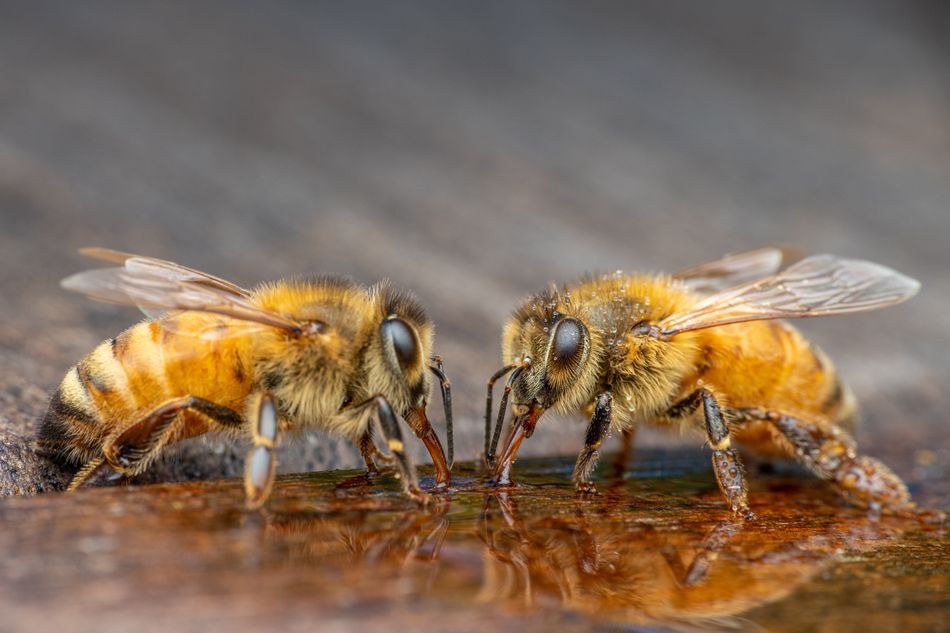
- The next best alternative to honey from your own apiary for feeding the bees is sugar syrup produced from white table sugar.
- The syrup used in the fall and winter should roughly be a weight-or-volume ratio of two parts sugar to one part water.
- It is better to use fondant, sugar cakes (see candy boards), or granulated sugar rather than syrup if the temperature in your location falls below 50°F (10°C).
- Table sugar lacks the vitamins that honey has, so you may supplement their diet with a feeding stimulant with essential oils like Honey-B-Healthy or Pro Health to provide them with extra nutrition.
How to feed bees sugar
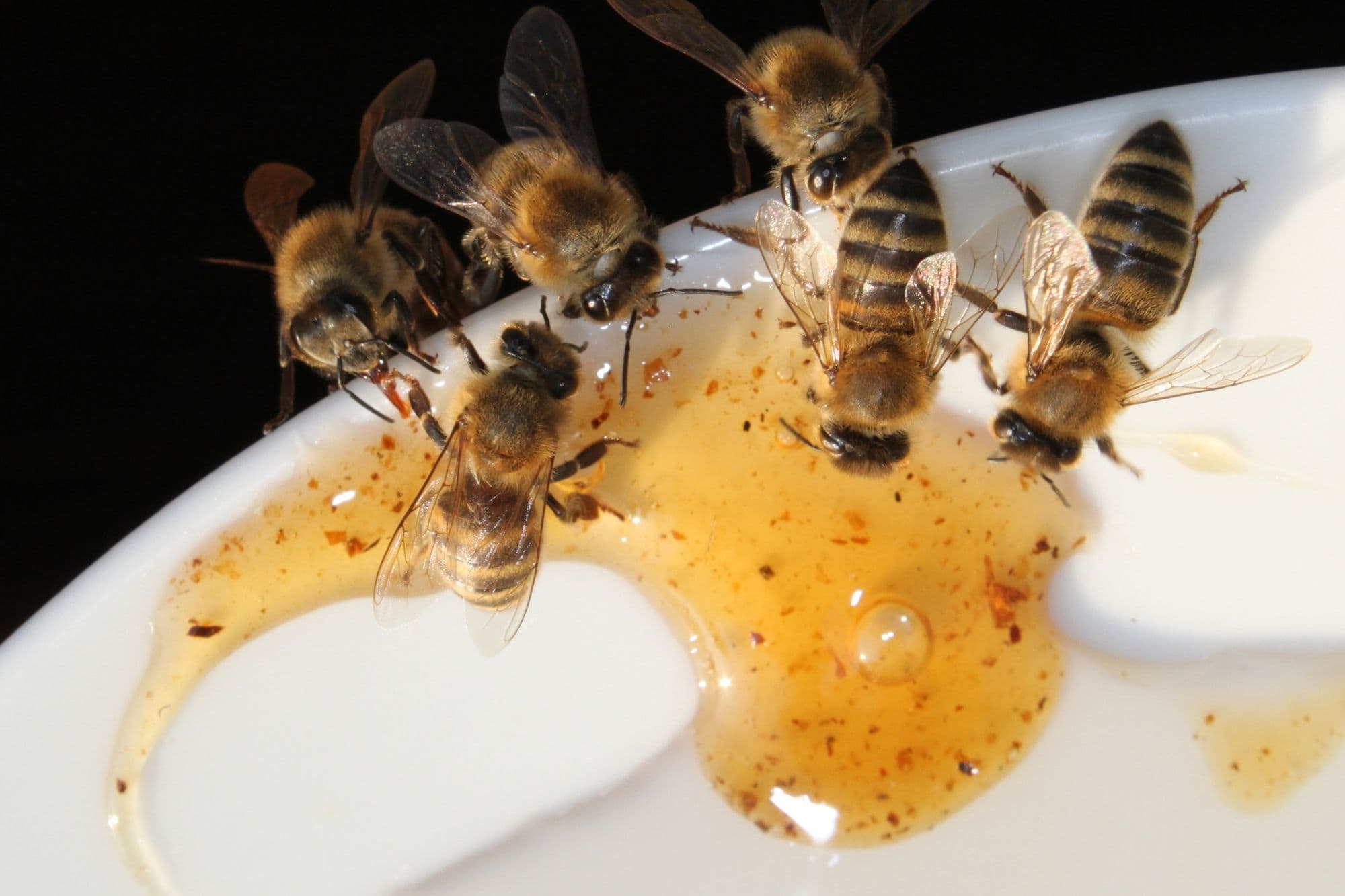
You can use liquid feed and one of the internal feeders to keep your bees from having to go outdoors to eat if the temperature is warm (over 50°F). You might also wish to include a mold inhibitor.
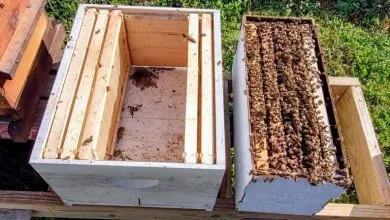
You can utilize a candy board, a mountain camp rim, or an empty shallow super loaded with sugar cakes if your temperatures are likely to be frigid.
When to give your bees food
If a hive feels light in the fall, you should begin feeding liquid sugar syrup as soon as possible (2 parts sugar to 1 part water). Change to one of the cold-weather techniques when the temperature begins to fall below 50°F.
It is beneficial to give sugar a head start. Sometimes when the weather turns cold, I give sugar cakes. In this way, the honey supply lasts longer and they can eat both honey and sugar all winter long. Because honey provides vital nutrients, I believe that doing this is preferable to having them consume only honey and subsequently only sugar.
In any event, inspect the hives every now and again on a dry, sunny day. If at all possible, move the honey frames closer to the cluster or, if required, add feed. Do not let the springtime rise of the weather fool you into thinking that they have “arrived.”
📚 References & Cited Sources
- candy boards) Source
Found this guide useful? Share it as a reference!
Important Copyright Notice
All rights reserved to Bees Partners © 2026. Copying, republishing, translating, or extracting more than 10% of this material is strictly prohibited without prior written consent. For commercial or academic usage, please reach out via email: [email protected].