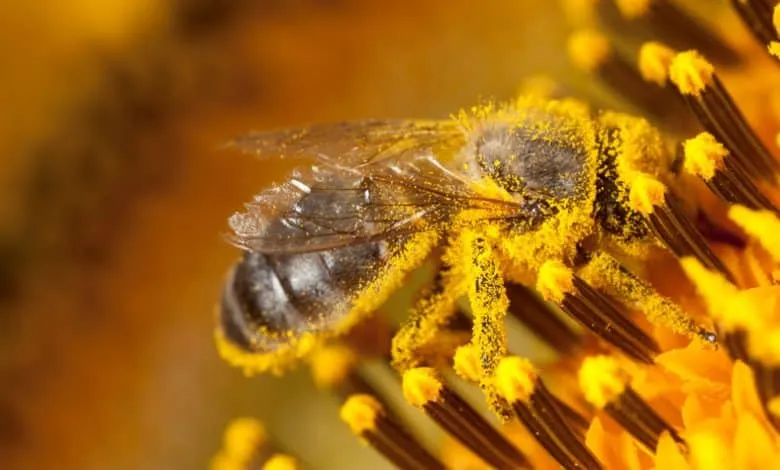
The transfer of pollen from one bloom of the same species to another is known as cross-pollination. Plants that are in bloom require systems to transport pollen to the stigmas of their flowers, facilitating reproduction. In this context, the transport of pollen is referred to as pollination. A pollen grain forms a pollen tube when pollination occurs and the pollen and stigma are suitable, carrying sperm to the ovule inside the ovary. Many plants that produce seeds depend on their seeds to survive as a species. Seed development requires pollination.
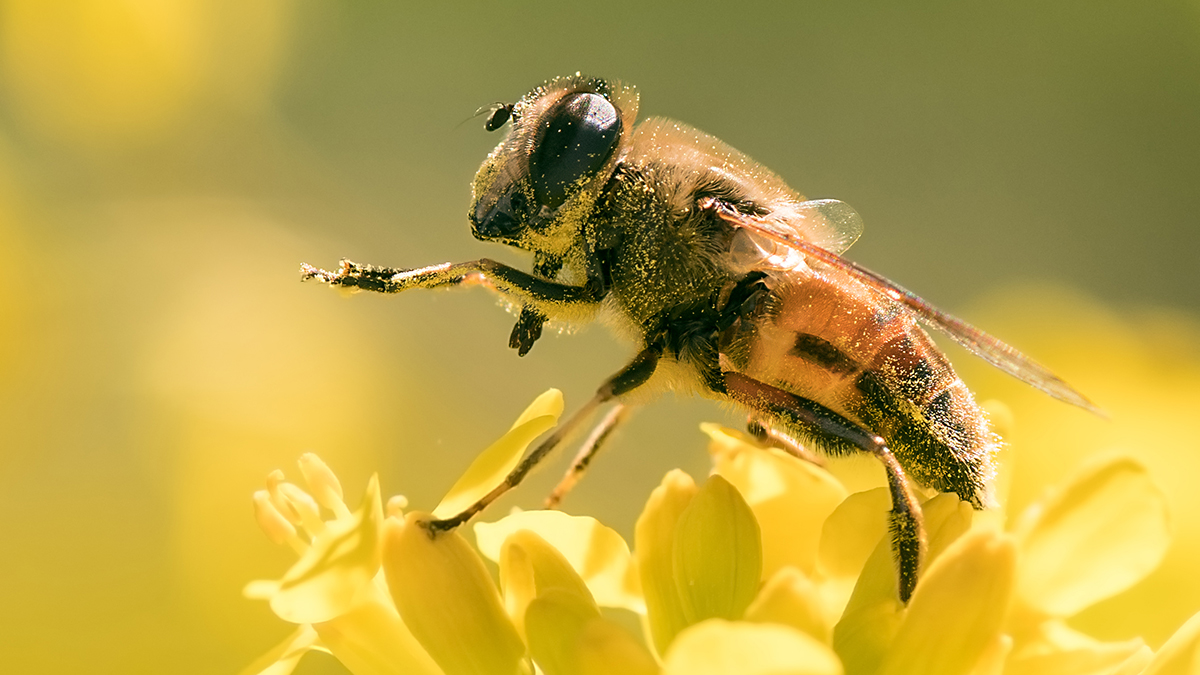
A bee facilitating the process of cross-pollination on a mustard flower.
🔰 In the modern ecosystem, cross-pollination stands as a cornerstone of biodiversity and food security. It is not merely a biological necessity but a sophisticated evolutionary strategy that ensures the resilience of plant populations against climate change and emerging pathogens. By facilitating the exchange of genetic material, plants can adapt more rapidly to shifting environmental conditions, a trait that is increasingly vital in our rapidly changing world.
Genetic Diversity and Plant Survival
Bisexual flowers are produced by most higher plants. A pollen-producing stamen and an ovule-containing carpel are both present in bisexual flowers. Some plants can reproduce on their own. In other words, they support reproduction and self-pollination. If this is the case, why do so many plants engage in cross-pollination, or more specifically, why does pollen exchange take place between members of the same species?
This question’s response is: External reproduction, also known as crossing over, is facilitated through pollen exchange. Why is outer pairing advantageous for plants, then? More genetic diversity is provided through outer mating than by inbreeding. In many human communities, it is forbidden to marry very close relatives. To prevent the harmful impacts of merging two genomes that are extremely similar genetically.
Similar to humans, many plants contain defenses against self-pollination. Because the offspring of self-fertilization will have dangerous genes that may cause weakened or fatal outcomes. In contrast, outer match. In other words, in genetically distinct creatures of the same species, it is typically favorable to combine sperm and egg. One explanation for this is that fewer harmful genes are present in such an integration. External mating produces more genetically varied progeny that have the adaptability required to extend into new habitats and respond to environmental changes.
Nutritional Rewards: Pollen Proteins and Fats
In exchange for pollination, they extract nectar, pollen, and oil from flowers. A mixture of sugar, amino acids, and other ingredients is called nectar. Different regions of the blooms have glands that produce nectar. The nectar concentration and quantity present in the blooms of plants belonging to different species vary, as can the type of sugar (often glucose, fructose, or sucrose), amino acids, and nectar type.
These variations typically have something to do with the needs of the pollinating animals. Pollen is rich in protein and lipids (some pollens have between 16 and 60 percent protein and 3 to 10 percent lipids). The caloric value of the fat found in the pollen is twice the caloric value of the fat found in carbohydrates. The flowers of plants such as poppies, peonies, and kiwis produce only pollen in exchange for food. Other flowers usually offer nectar or oil, and some offer a mix of various nutrients. This variability has a meaning; some pollination mediators need only sugary nectar, while others also require protein and/or fat.
Attraction Strategies: Scent and Color
Flowers have great marketing potential. Also, they have evolved to draw the best pollination partner in the face of these variances since the bees that offer pollination can exhibit major differences in determining color and odor. Although the shape and other qualities of the flower also play a part, fragrance and color are the most crucial aspects in attraction.
Fragrance Diversity 📌 More than 700 fragrance-emitting chemicals are used by flowering plants. Even flowers that look very similar can have extremely diverse fragrances.
Color Signaling 📌 Flowers use color to signal their readiness and reward quality to specific pollinators, ensuring efficient energy expenditure.
The Critical Role of Bees in Pollination
Bees are the most significant pollination partners in the ecosystem. In addition to carrying honey, some bees also carry pollen. Other bees store pollen in basket-shaped chambers on their legs or move it from flowers to a hairy area of their abdomen using their legs. Bees are red-blind despite having great vision that extends into the violet. Additionally, the sense of smell develops. They can even detect smells with their antennae at concentrations that are 10 to 100 times weaker than human fragrances.
Bees can only pollinate blue, purple, lavender, or white flowers; red flowers cannot be pollinated by bees. Additionally, some of these flowers include nectar guides, which appear as dots to bees and draw their attention. Bees pollinate the majority of bilaterally symmetrical plants. In other words, a single plane can divide these flowers into two equal pieces.
In the flowers they are directed to, the bees first go to the bottom mature flowers and then to the young flowers above, and finally they find the best source of nectar and pollen they are looking for. Predictably, bees-friendly flowers provide both nectar and pollen to the bees in return. It contributes to pollination and fertilization of the plant in bees. Thus, both the generation of the bee and the generation of the plant find the opportunity to stay in the future.
Common Misconceptions & Mistakes
All Pollinators are the Same Many people believe all flowers attract all insects equally. In reality, specific flower shapes and colors are “encoded” for specific pollinators (e.g., bees’ red-blindness).
Pollination vs. Fertilization These are often confused. Pollination is the transfer of pollen, whereas fertilization is the fusion of sperm and egg.
Wind Pollination is Inefficient While it seems random, wind pollination is a highly successful strategy for many trees and grasses, though it lacks the targeted precision of animal pollination.
Advanced Strategies for Agricultural Pollination
🔰 To maximize crop yields, professional agriculturists now employ advanced pollination management strategies:
Strategic Hive Placement: Placing bee colonies in a way that aligns with the floral density and blooming patterns of the crop.
Floral Strips: Planting diverse “pollinator-friendly” flowers around main crops to maintain bee populations throughout the season.
Artificial Supplementation: In environments where natural pollinators are scarce, controlled release of specific bee species is utilized.
Professional Tips for Gardeners
Plant in Clumps: Pollinators are more attracted to large groups of the same flower than individual scattered plants.
Sequence your Blooms: Ensure you have plants that bloom in spring, summer, and autumn to provide a steady food source.
Avoid Pesticides: Chemicals can interfere with a bee’s ability to navigate and detect flower scents.
Frequently Asked Questions (FAQ)
Q1: Why can’t bees see red flowers?
Bees lack the photoreceptors for the red end of the spectrum, seeing it as black. However, they can see ultraviolet light, which is invisible to humans.Q2: Is self-pollination always bad?
Not always. In stable environments where pollinators are scarce, self-pollination ensures the survival of the species, though it limits genetic diversity.
Q3: What is the main difference between nectar and pollen?
Nectar is primarily a sugary energy source (carbohydrates), while pollen provides essential proteins and fats required for reproduction and growth.
Q4: How do nectar guides work?
They are ultraviolet patterns on petals that act like landing strips, directing the bee to the center of the flower where the nectar is located.
Q5: What happens if cross-pollination fails?
If pollination fails, the flower will not produce seeds or fruit, leading to a decline in the plant population and a lack of food for herbivores.
Conclusion
Summary 🙏 In conclusion, cross-pollination is a vital biological process that sustains the majority of life on Earth. Through the sophisticated interplay of scent, color, and nutritional rewards, plants and pollinators have formed a symbiotic relationship that ensures genetic diversity and ecological stability. By understanding the specific needs of pollinators like bees and the mechanisms of pollen transfer, we can better appreciate and protect the natural systems that feed our world. Let us commit to fostering environments that support these silent heroes of our ecosystem.
💡 Note: Brief quotations are permitted, provided that clear credit and a direct link to the original article are included.
About the Beekeeper
Wael Issam Sayam is a passionate hobbyist beekeeper, born and raised in Denmark, and the founder and manager of the "Bees Partners" platform and blog. Driven by a deep love for nature and inspired by meticulous Danish environmental standards, Wael shares his practical experiences and valuable tips to help fellow beekeeping enthusiasts around the world build sustainable and thriving bee colonies.
Beekeepers' Smart Toolkit
Loading...
🌍 Global Season Tracker
ACTIVE STAGE
🌱Spring Build-up
--
ACTIVE STAGE
🍯Honey Flow
--
ACTIVE STAGE
🛡️Mite Treatment
--
ACTIVE STAGE
❄️Winter Prep
--
👑 Queen Rearing Calc
Cell Capped:--
Emergence:--
Laying Eggs:--
🦠 Varroa Threshold
Enter count to check.
🌡️ Hive Inspection Safety
Enter temp to check safety.
📊 Professional Analysis
Western Standards (US/EU) Calculation Model
🎨 Identify Your Honey Grade
Compare your honey color to the professional Pfund Scale below to identify its flavor profile and possible floral source.
34 mm
Extra Light Amber
This grade often includes Clover or Sage honey. It has a mild, delicate flavor highly preferred for table use.
Best used for:Sweetening tea, baking, and fresh consumption.
⚠️ IMPORTANT NOTICE: This tool is for visual assessment only. It does not replace a professional lab test or a certified apiary inspector's visit. Always consult a local specialist before applying chemical treatments.
🔍 Quick Symptom Checker
Select an observation from your hive inspection to see potential causes and US/EU approved treatments.